
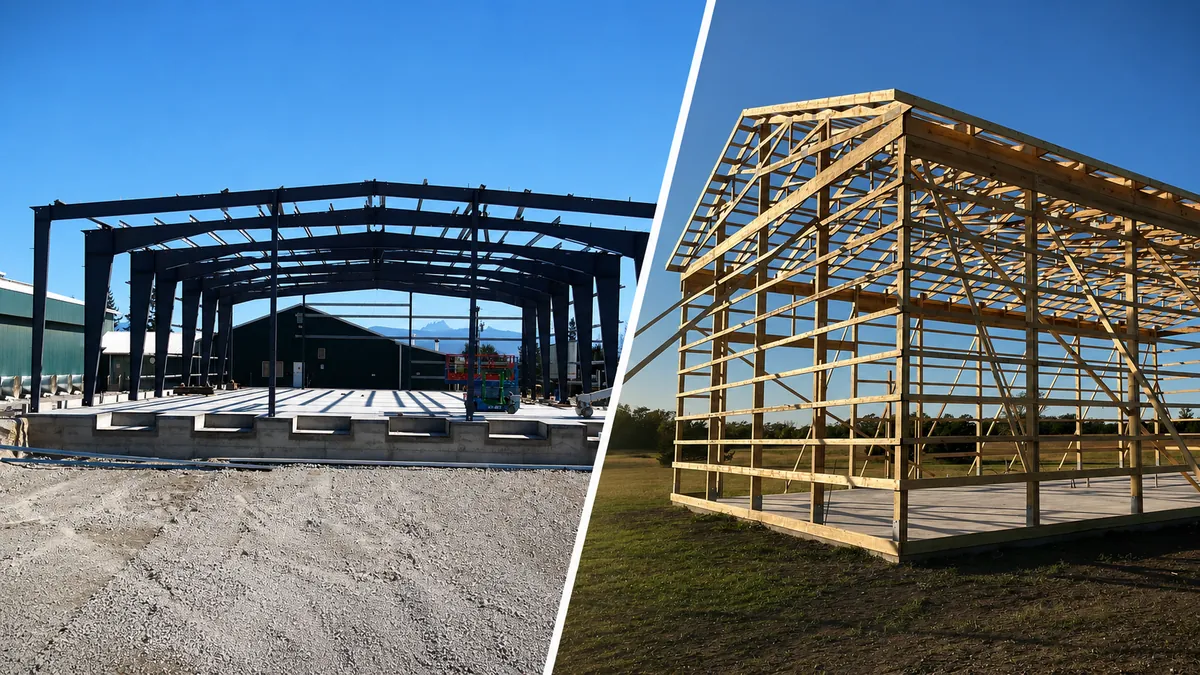
Choosing between a steel building and a pole building usually starts with one question:
How much is this going to cost?
That is fair. Budget matters on any commercial or agricultural project. But the cheaper option upfront is not always the better fit once you start thinking about how the building will actually be used.
- Will trucks need to get in and out?
- Is a specific insulation R-value needed?
- What clear span does the building need?
- Which building will be easier to expand in the future?
- Could the choice between steel and wood affect resale?
Those details can change the answer.
A pole building may do the job for some projects. Steel buildings can provide better long-term value for many commercial, agricultural, and light-industrial projects in Western Washington.
Pilchuck Construction breaks down the practical differences between steel buildings and pole buildings, including cost, durability, access, maintenance, and long-term performance.
Start With How the Building Will Be Used
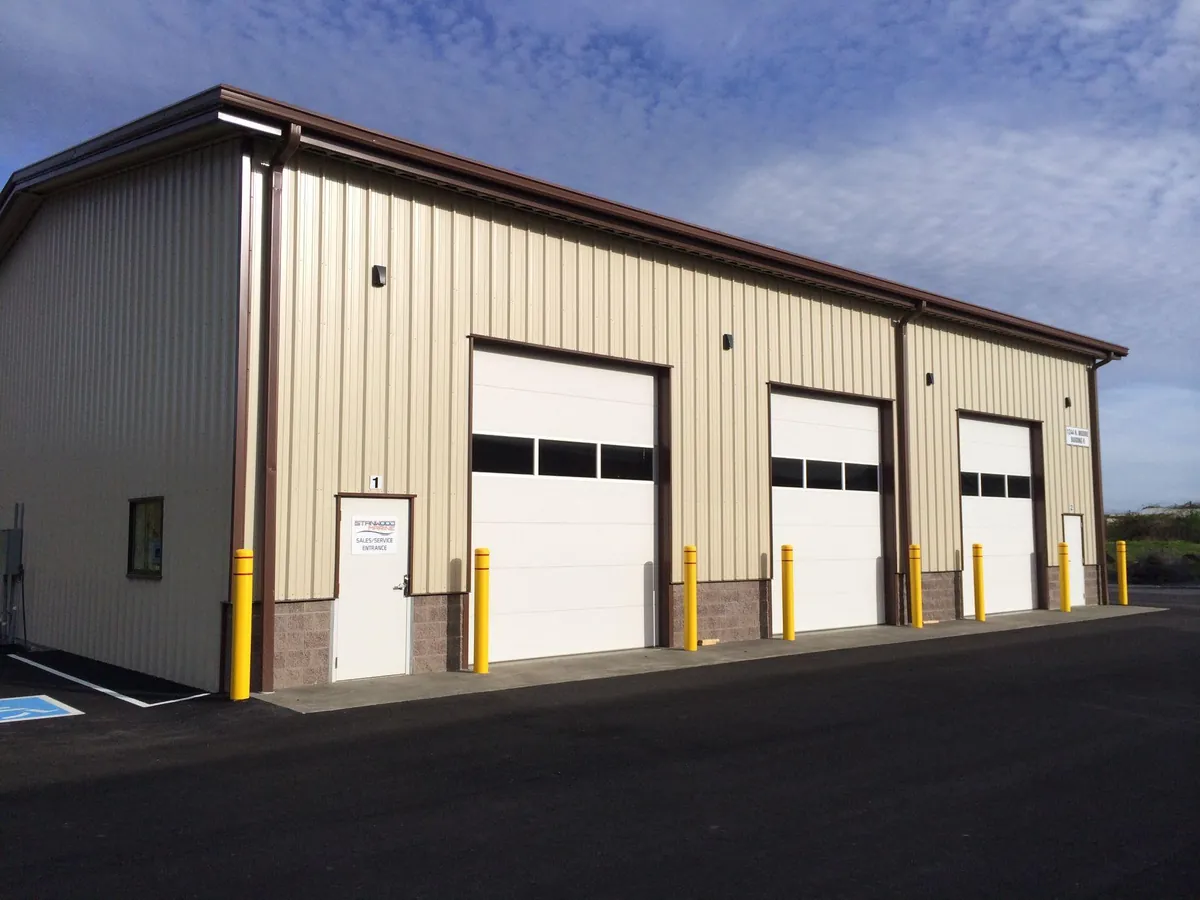
Start with the real use of the building before comparing materials or pricing.
A residential shop for occasional use has different requirements than a commercial shop that sees traffic every day. The same applies when comparing agricultural buildings with a light-industrial building that needs truck access, overhead doors, a purpose-built slab, a permitted use type, and room for future expansion.
Think about what needs to happen inside and around the building:
- What eave height is needed?
- Will the building be heated, semi-conditioned, or unconditioned?
- What insulation level does the use require?
- Will trucks, trailers, lifts, or machinery move through the space?
- What impact or wear should the building be designed to handle?
- Does the project require combustible or noncombustible construction?
- What fire sprinkler requirements apply?
- Is this a speculative build or a design-build project for an end user?
- Is the building a short-term solution or a long-term investment?
Once those answers are clear, the decision between a pole building and a steel building becomes much easier.
When a Pole Building May Make Sense
Pole buildings can be a practical option for the right project.
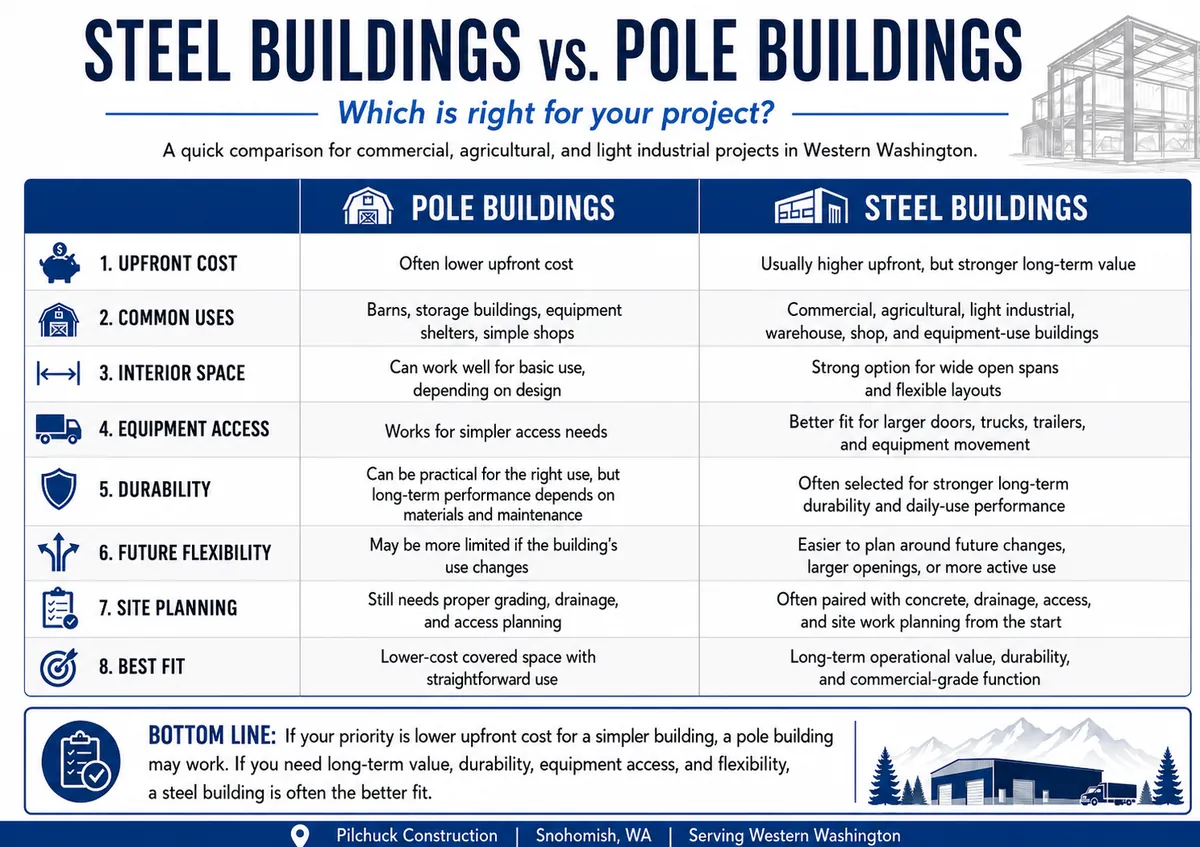
They are often used for barns, storage buildings, equipment shelters, and simple shops. A pole building can sometimes be built at a lower upfront cost than a steel building. That can make sense when the building has a fairly simple job.
A pole building may be worth considering if the main goal is basic covered space, occasional use, or straightforward storage. It can also be a reasonable option when the owner wants to keep the initial budget as low as possible and does not need a more flexible commercial structure.
The key is being honest about the future.
If the building may eventually need larger doors, more open interior space, stronger long-term durability, more daily traffic, or a different layout, the lower starting price may not tell the full story.
Where Steel Buildings Usually Pull Ahead
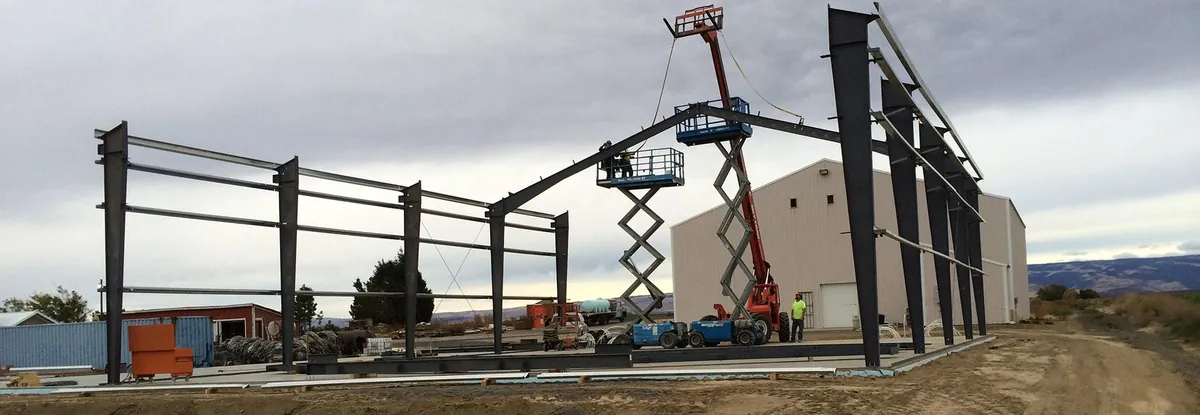
Steel buildings tend to make more sense when the structure itself needs to work harder.
That is often the case for commercial, agricultural, and light-industrial projects. These buildings support equipment, people, vehicles, materials, storage, production, repairs, deliveries, and daily business operations.
A steel building may be the better fit when you need:
- Wide-open interior space
- Larger overhead doors
- Better access for trucks or equipment
- Clear movement through the building
- Durable materials for long-term use
- Flexibility for future changes
- Stronger support for commercial operations
- A building designed around daily use
These details matter for owners who plan to use the building heavily. A building that is hard to move through, modify, or maintain can become frustrating fast.
Think About Access Before You Build
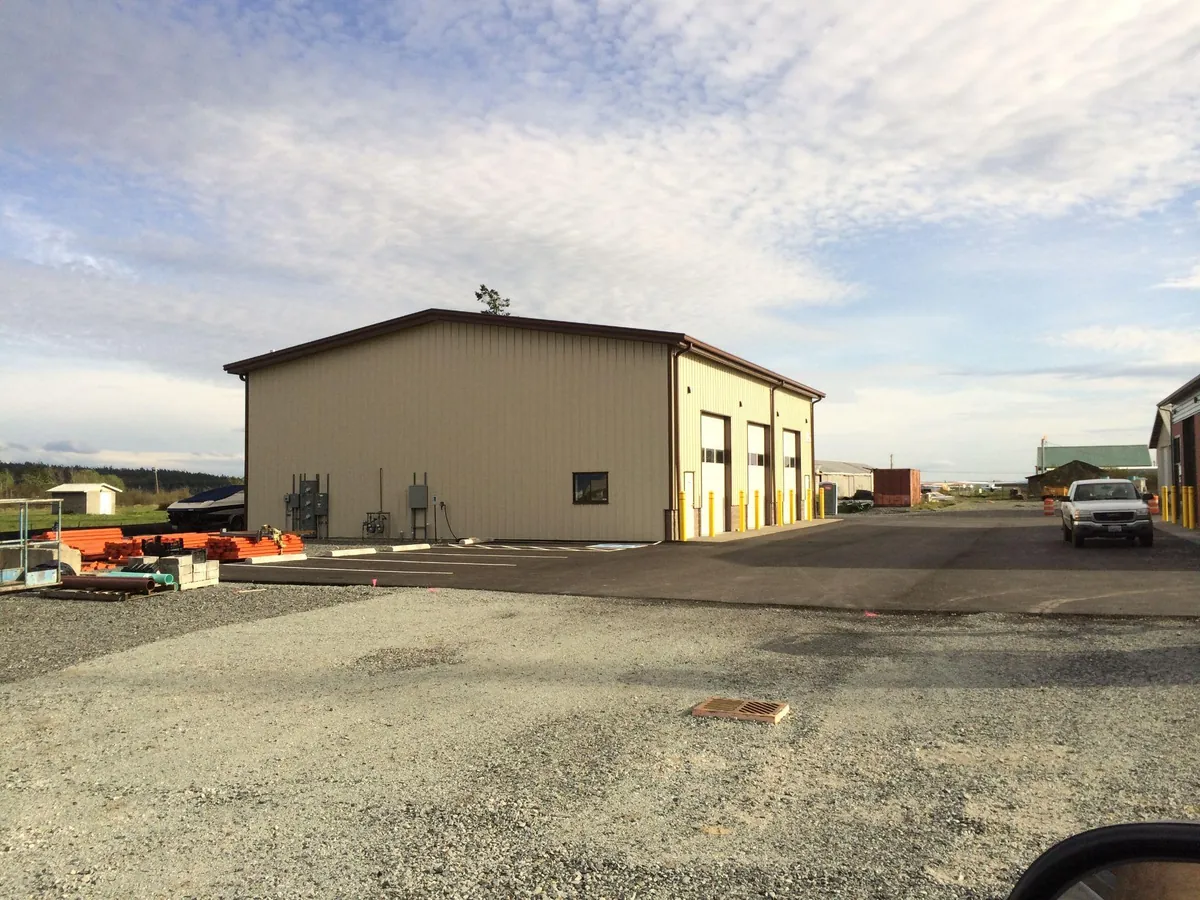
Access is one of the biggest factors in a successful commercial or agricultural building project.
It is easy to focus on the structure itself and forget how vehicles, equipment, people, and materials will move through the site. Access can affect almost every part of the project.
Will a truck need to back into the building? Will trailers need turning room? Will forklifts or lifts need clear paths? Will large equipment need to be stored, repaired, or moved indoors?
Those questions can influence the building type, door placement, slab design, driveway approach, grading, and site layout.
Review the full picture before choosing a structure:
- Door sizes and locations
- Interior clearance
- Building longevity
- Zoning requirements
- Shipping costs for building materials
- Lead time for materials, design, and engineering
- Installation labor costs
Steel buildings can offer substantial value here. They can often be designed with larger openings, clearer spans, and a more practical layout for active operations.
Western Washington Weather Should Be Part of the Decision
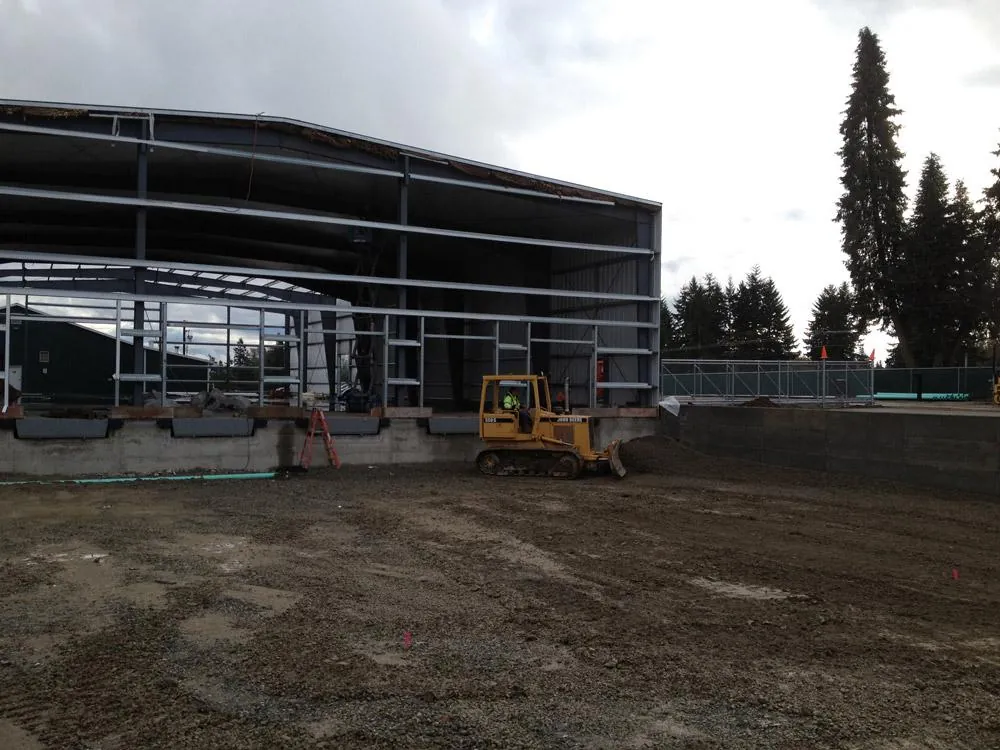
Western Washington buildings have to deal with rain, damp conditions, wet ground, and long stretches of moisture.
Every project does not need the same solution, but water management should be part of the plan from the beginning.
Roofline details, siding, flashing, gutters, site grading, concrete, drainage, and access points all affect how the building performs over time. A structure that looks fine on day one can develop problems later if water is not handled correctly.
Poor drainage or weather-related wear can create access issues, maintenance problems, and interruptions to normal commercial or agricultural operations.
Steel buildings can be a strong fit in this region because they can be planned around durability, clear access, and long-term performance. The building still needs to be matched with the right site work and construction details.
Do Not Forget Concrete, Drainage, and Site Work
The structure is only one part of the project.
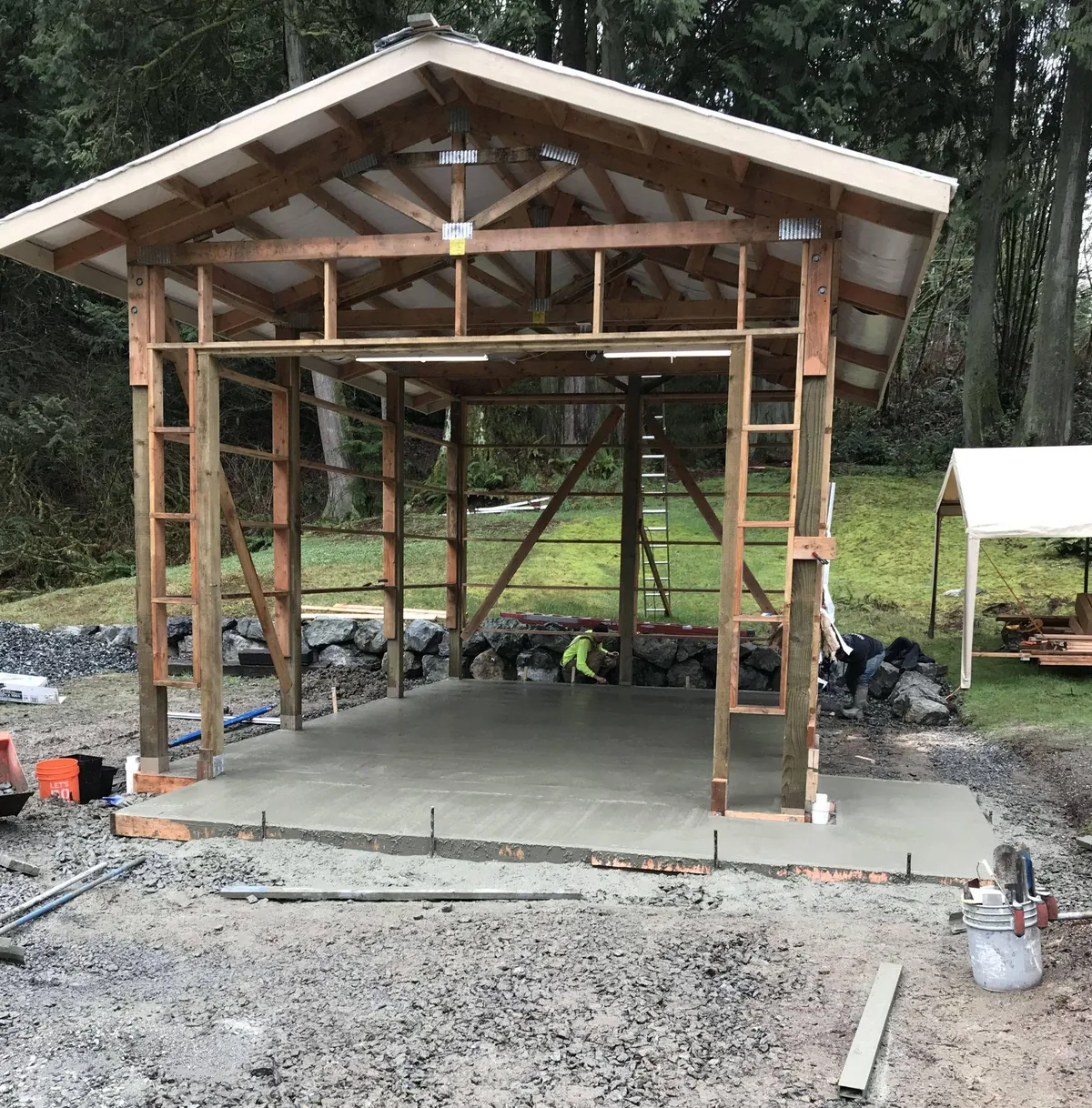
A commercial or agricultural building may need site preparation, concrete, grading, drainage, utility coordination, equipment access, or loading areas. Those pieces can affect how well the building works once it is finished.
Important planning details can include:
- Concrete slab thickness
- Concrete aprons at door openings
- Gutter style and downspout locations
- Splash blocks or tightline drainage
- Grading for truck access or turnaround
- Loading docks or staging areas
- Utility pads or equipment areas
- Engineering for future expansion
These items can create delays, added costs, or layout problems if they are not planned early.
It helps to work with a contractor who understands both the building and the concrete and site work around it. A strong project plan considers how the whole property needs to function, not just the shell of the building.
Maintenance Matters Over Time
Every building needs maintenance, but not every building has the same maintenance demands.
Maintenance is not just another line item for an owner. It can affect access, productivity, safety, and long-term cost.
If a building needs frequent repairs or does not hold up well to the way it is used, the lower upfront price may not feel like a win later.
Steel buildings are often selected for their long-term durability and practical maintenance profile. Metal panels, steel framing, and well-planned exterior details can help create a building that stands up to regular use.
The details still matter. Doors, flashing, trim, roof edges, concrete, drainage, and installation quality all play a role. The right material helps. The right construction plan matters too.
Choose Based on Long-Term Value, Not Just the First Number
Budget will always be part of the conversation. It should be.
But the first number is not the only number that matters.
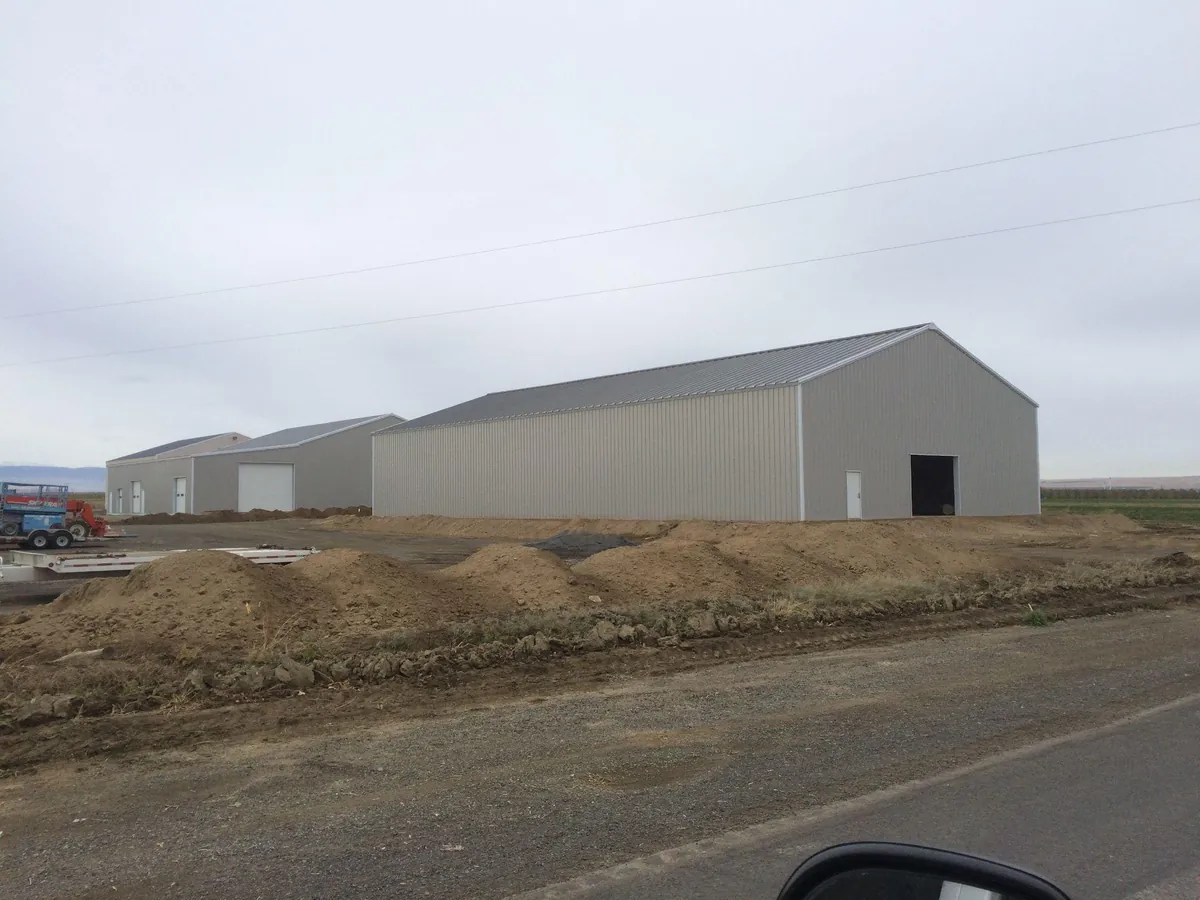
A building that costs less upfront may not be the better value if it limits how the space can be used, needs more maintenance, or cannot support future plans. A steel building may cost more at the start but provide better long-term function for commercial, agricultural, or light-industrial use.
The better question is not always, “Which option is cheaper?”
Ask which building is the better fit for how the property needs to work.
That question usually leads to a smarter decision.
Questions to Ask Before You Decide
Ask these questions before choosing between the two building types:
- What will the building be used for right away?
- How could that use change in the future?
- What equipment needs to fit inside?
- How much open interior space is needed?
- What size doors and access points are required?
- Will trucks or trailers need to move through the site?
- Will the building need concrete, grading, or drainage work?
- How much maintenance is acceptable over time?
- What weather exposure will the building face?
- Will the building support commercial, agricultural, or light-industrial operations?
- Is long-term value more important than the lowest upfront cost?
These questions help separate a basic building from the right building.
Talk Through the Project Before You Commit
Steel buildings and pole buildings both have a place. The right choice depends on your site, budget, equipment, and the way the building needs to perform over time.
Steel buildings often provide the access, open space, durability, and flexibility needed for long-term commercial, agricultural, and light-industrial use in Western Washington.
Pilchuck Construction builds steel and metal structures for clients who need practical buildings that fit real operations. Based in Snohomish, WA, we serve Snohomish County, North King County, Island County, Skagit County, and broader Western Washington.
If you are comparing steel buildings and pole buildings for your next project, request an estimate from Pilchuck Construction. Our ISN-certified local team can help you think through the structure, site, access, and long-term performance before you make the investment.