
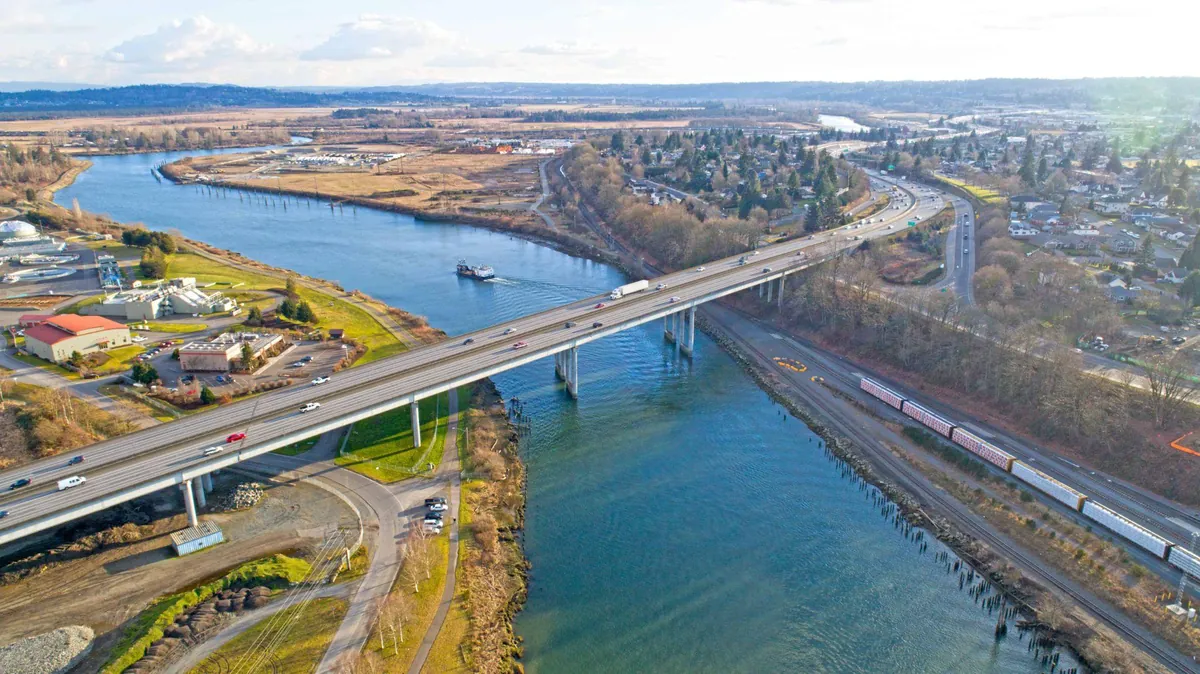
Starting a commercial construction project in Western Washington takes more than just a rough budget and a target start date. This region brings its own set of planning factors. Rain affects timing. Stormwater needs to be taken seriously. Permits can vary by jurisdiction. Many properties include critical areas, slopes, drainage concerns, or access limitations. Commercial work may also need to happen around employees, tenants, customers, deliveries, and ongoing business operations.
That doesn't mean the project has to be complicated from the start, but it does mean early planning matters. A clear scope, realistic schedule, and contractor familiar with Western Washington conditions can help reduce delays, avoid surprises, and keep the project moving in the right direction.
Start With the Scope Before the Price
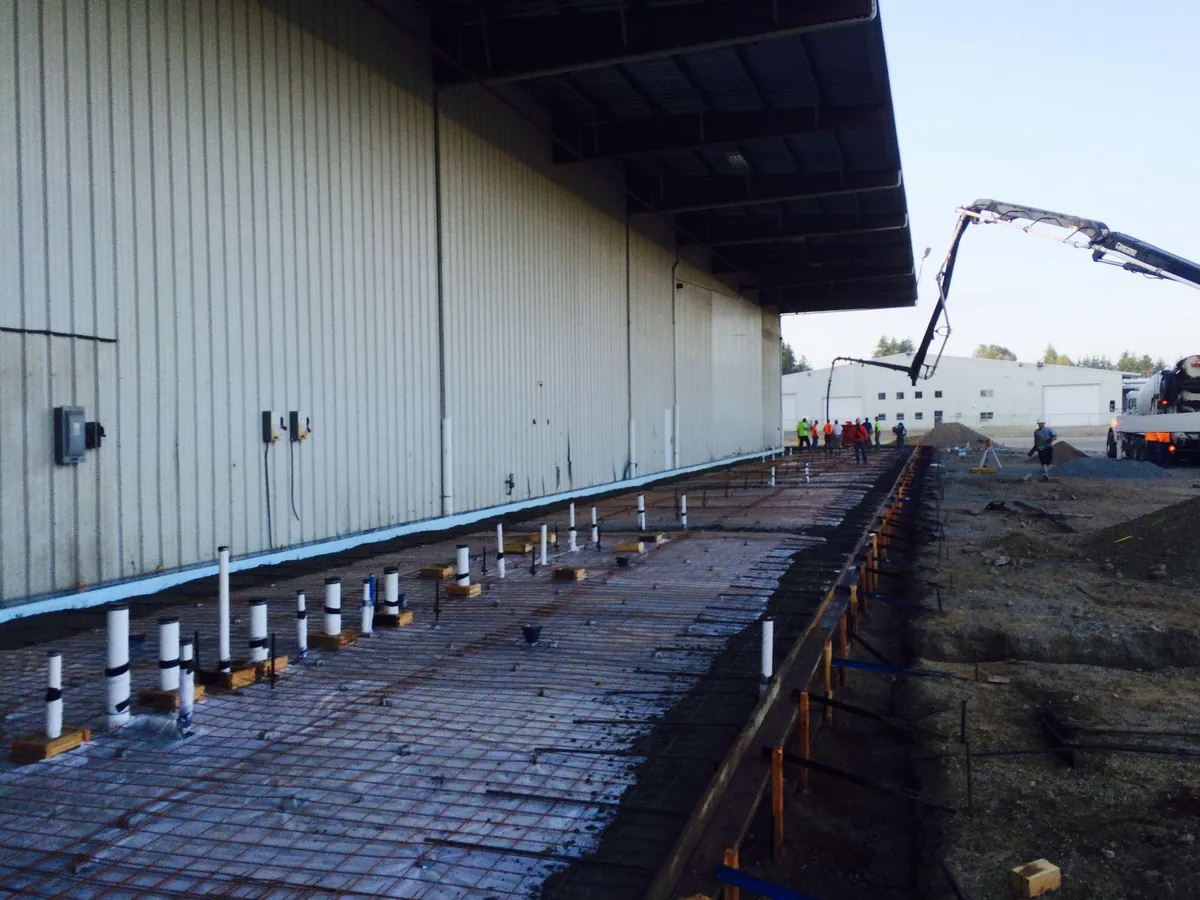
Many owners start by asking what the project will cost. That's understandable, but cost depends on scope. Before a contractor can give useful direction, the project needs to be defined clearly. Are you building a new commercial structure? Expanding an existing facility? Improving tenant space? Adding a loading area? Repairing an exterior wall? Pouring new concrete? Preparing a site for future use?
A strong early scope should answer a few basic questions:
- What problem is the project solving?
- What part of the property will be affected?
- Does the work involve the building, the site, or both?
- Will the business stay open during construction?
- Are there access, parking, delivery, or tenant concerns?
- Is this a repair, improvement, addition, or new build?
- Are drawings, permits, or engineering already started?
A clear scope helps everyone understand the work before pricing begins. It also gives the contractor a better chance to identify planning issues early.
Know Which Jurisdiction Controls the Project
Commercial construction in Western Washington can involve different layers of review. A project in Snohomish County may not follow the same process as a project in North King County, Island County, or Skagit County. City limits can also change which department reviews the work.
That matters because permitting timelines, submittal requirements, site review, inspections, stormwater standards, and critical-area questions can vary from one jurisdiction to the next. Some commercial projects may require building permits. Others may also involve land use review, site development review, fire review, accessibility considerations, energy code compliance, stormwater review, or environmental review.
The safest approach is to confirm the permitting path early. Waiting until the work is ready to start can create avoidable delays.
Plan Around Western Washington Weather
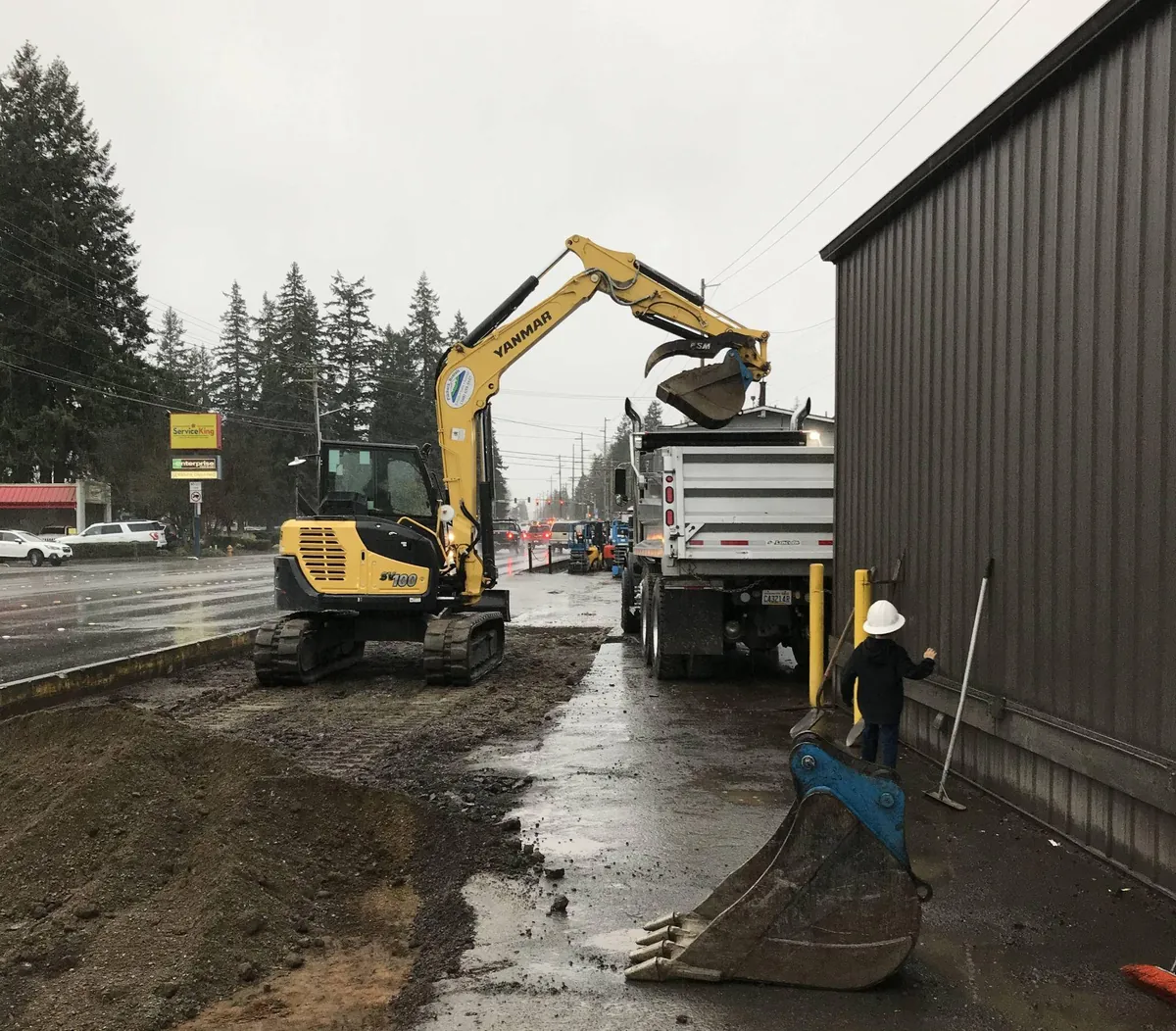
Weather is one of the most practical construction factors in Western Washington. Summer usually gives contractors more reliable windows for exterior work, concrete, site preparation, steel building work, roofing-related details, entry upgrades, and other projects that benefit from drier conditions. Winter can bring more rain, softer ground, shorter daylight hours, and additional protection needs.
That doesn't mean construction stops during the wet season. It means planning has to account for it. Projects that involve open walls, exterior panels, concrete, excavation, grading, drainage, or building envelope details should be scheduled with weather exposure in mind. A good plan looks at how the site will be protected, how materials will be staged, how access will be maintained, and what parts of the work are most sensitive to rain.
Take Stormwater and Drainage Seriously
Stormwater is a major planning issue in Western Washington. Commercial properties often include paved areas, roof runoff, driveways, loading zones, parking areas, slopes, ditches, or nearby drainage systems. New construction, additions, site work, and grading can all change how water moves across a property. That can affect permitting, design, sequencing, and cost.
Before work begins, it is important to understand how water currently moves through the site and how the project may change that. Poor drainage can create problems for foundations, concrete, entries, loading areas, landscaping, neighboring properties, and long-term building performance.
For some projects, stormwater planning may be a formal permit requirement. For others, it is still a practical construction issue that needs to be addressed before crews are in the field.
Check for Critical Areas Early
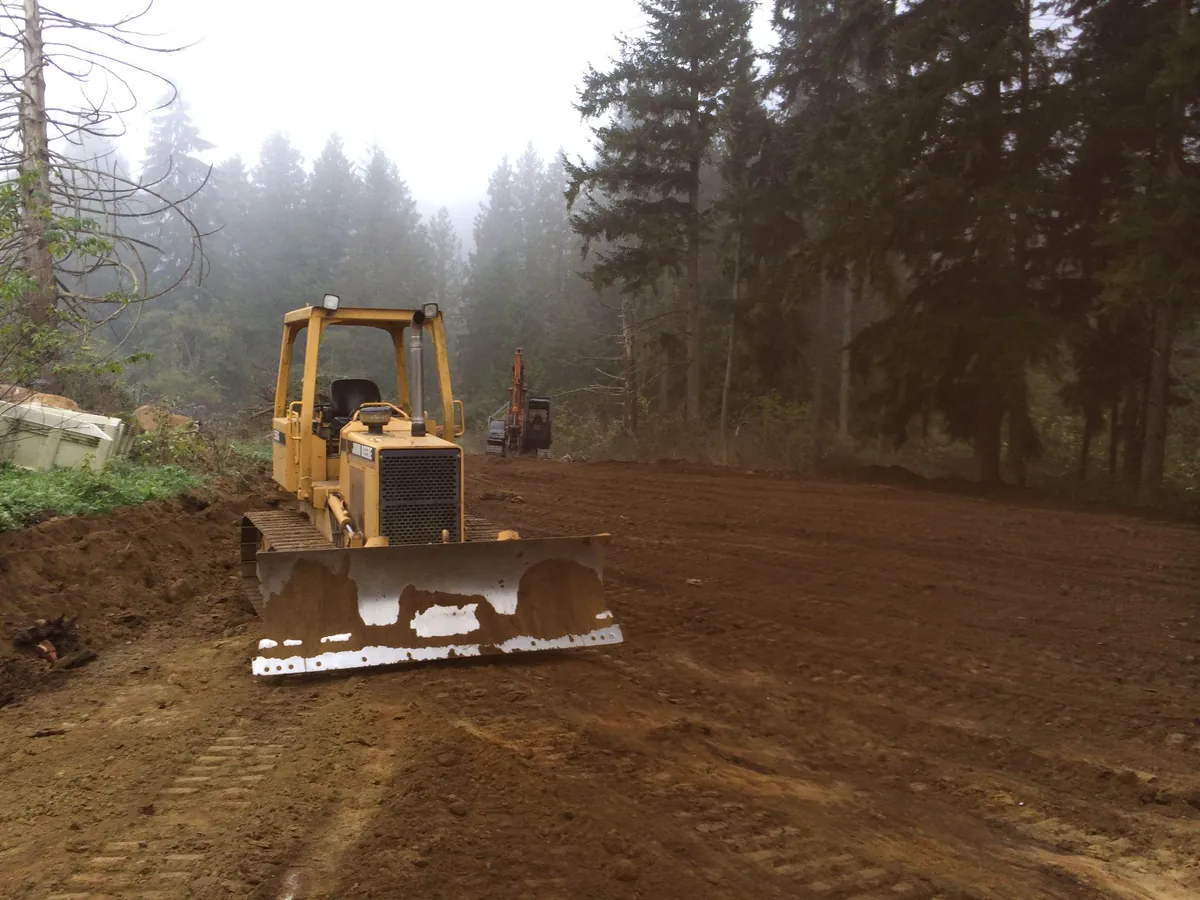
Western Washington properties can include wetlands, streams, steep slopes, flood-prone areas, buffers, habitat areas, or other site constraints. These conditions may not always be obvious during a quick property walk.
Critical-area questions can affect where work can happen, how close construction can get to certain areas, what reports may be needed, and how the project is reviewed. This is especially important for rural commercial sites, agricultural properties, light industrial yards, and properties near drainage features or wooded areas.
Identifying these issues early gives the owner more time to adjust the plan instead of reacting after design or scheduling decisions have already been made.
Think Through Access and Active Operations
Many commercial projects happen while the property is still in use. Employees may need to get into the building. Customers may still be visiting. Tenants may be operating nearby. Trucks may need to reach loading areas. Equipment may need clear access. Parking may already be limited.
These details should be discussed before the project starts. A contractor should understand how people, vehicles, deliveries, and equipment move through the site. That helps with staging, phasing, safety planning, material deliveries, temporary barriers, and communication with the people affected by the work. Good access planning can reduce disruption and help the project stay organized.
Build Code and Safety Expectations Into the Plan
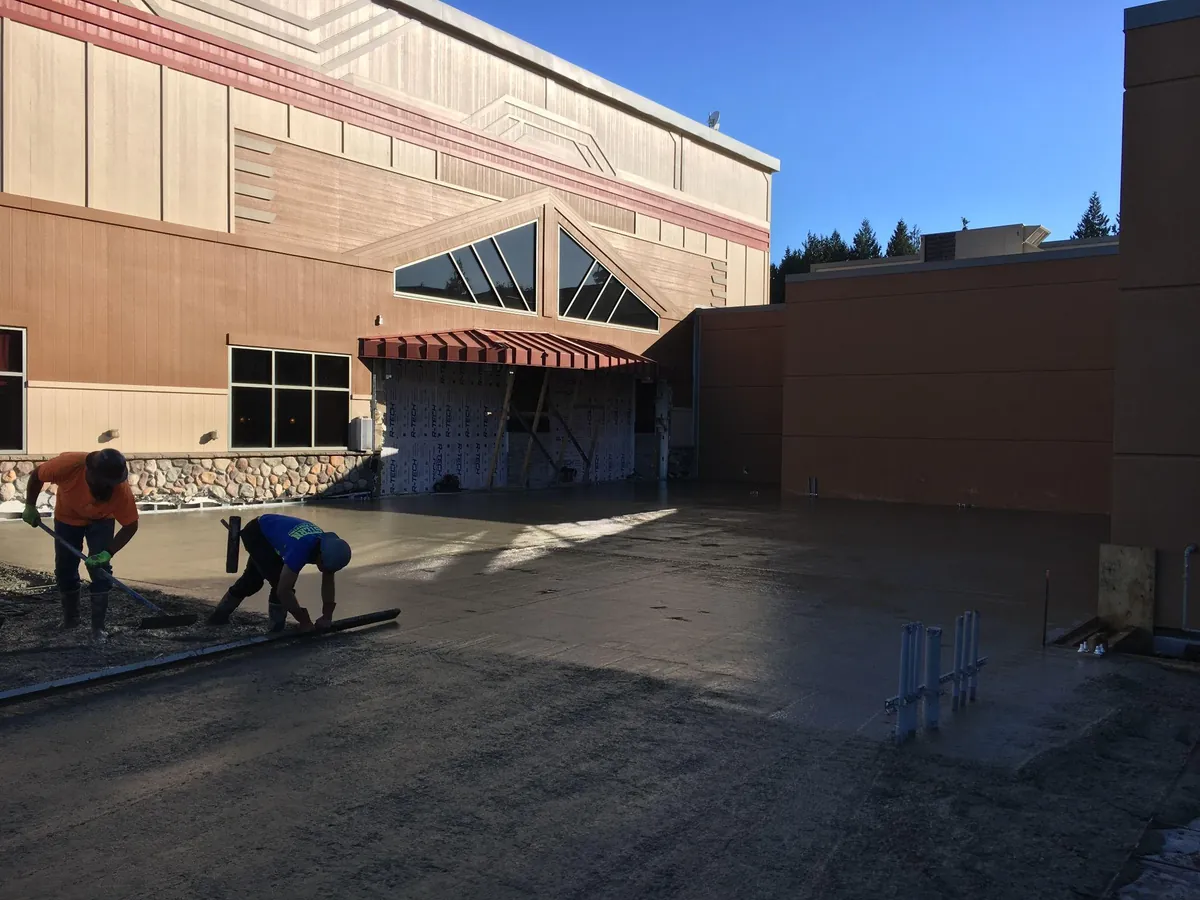
Commercial construction has to account for more than appearance and function. Building code, energy code, fire access, accessibility, structural requirements, documentation, inspections, and safety expectations can all shape the final scope.
This is one reason commercial owners should involve qualified professionals early. A small change to a wall, door, entry, opening, slab, canopy, or exterior feature may trigger additional requirements depending on the building and the jurisdiction.
Safety planning also matters. Commercial jobsites may include occupied spaces, shared access, equipment, active utilities, customer traffic, tenant concerns, or nearby workers. Those conditions need to be planned around before construction begins.
Consider Long-Term Durability
Western Washington buildings deal with rain, moisture, wind, seasonal temperature changes, and long periods of damp weather. Construction decisions should account for long-term performance, not only the immediate project. That may include:
- Drainage around the building
- Roofline and flashing details
- Exterior wall protection
- Concrete placement and water control
- Site grading
- Door and entry protection
- Loading area durability
- Material selection
- Future maintenance access
A project that looks good on day one still needs to perform through years of weather and daily use.
Choose a Contractor Who Understands the Region
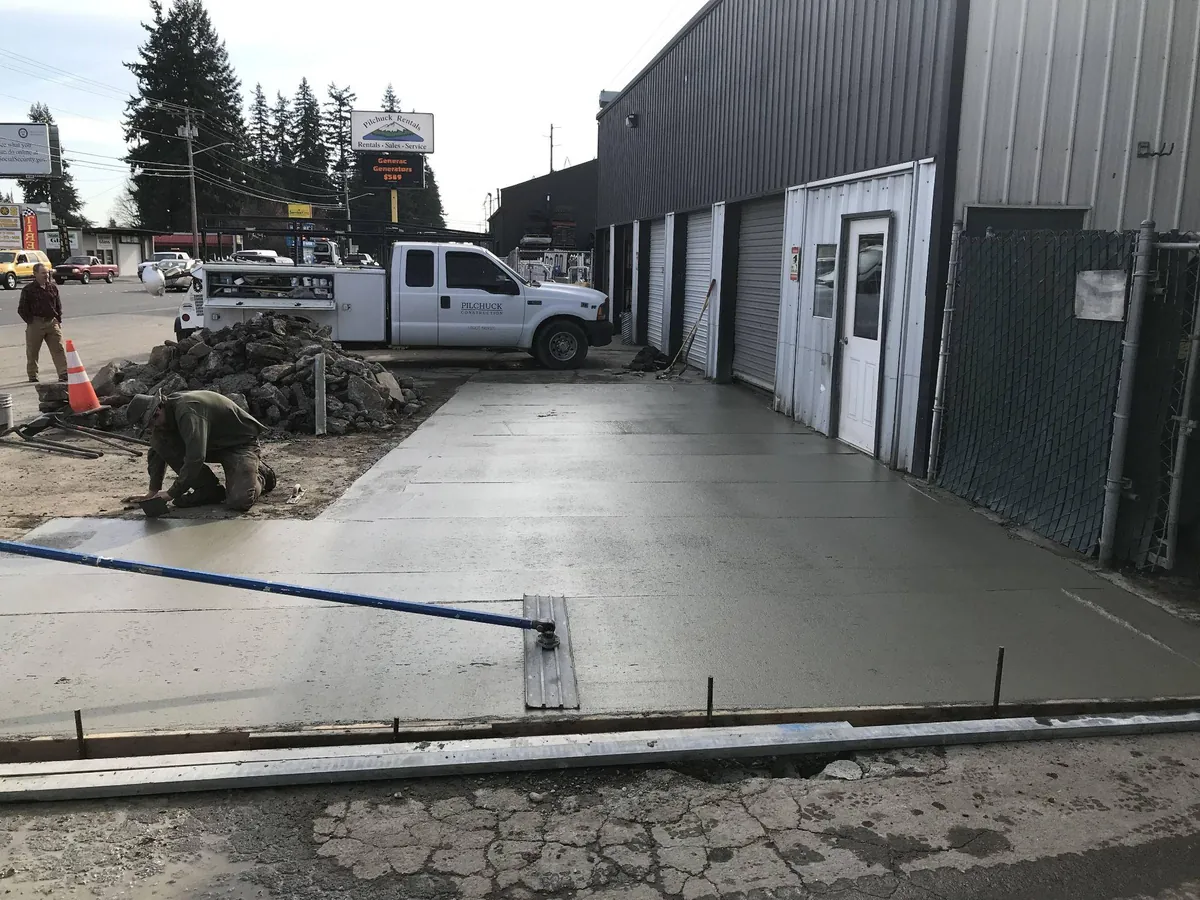
A commercial construction project in Western Washington should be planned with the region in mind. Local experience matters because the work often involves more than the structure itself. The right contractor should understand wet-season planning, stormwater concerns, site access, active operations, regional permitting expectations, and the practical details that affect commercial properties in this area.
That local understanding can help owners ask better questions early, prepare for the right requirements, and avoid decisions that create problems later.
Prepare Before You Break Ground
Before starting a commercial construction project, take time to gather the right information. You don't need to have every answer before contacting a contractor, but it helps to know the basics. Start with:
- Project location
- Current use of the property
- Desired scope of work
- Known site concerns
- Business operation needs
- Target timeline
- Permit or design status
- Photos of the area
- Any drawings, surveys, or plans already available
The more clearly the project is defined at the beginning, the easier it is to build a realistic path forward.
Work With a Local Western Washington Contractor
Commercial construction in Western Washington comes with real site, weather, access, permitting, and scheduling considerations. Working with a local contractor helps bring those issues into the conversation early.
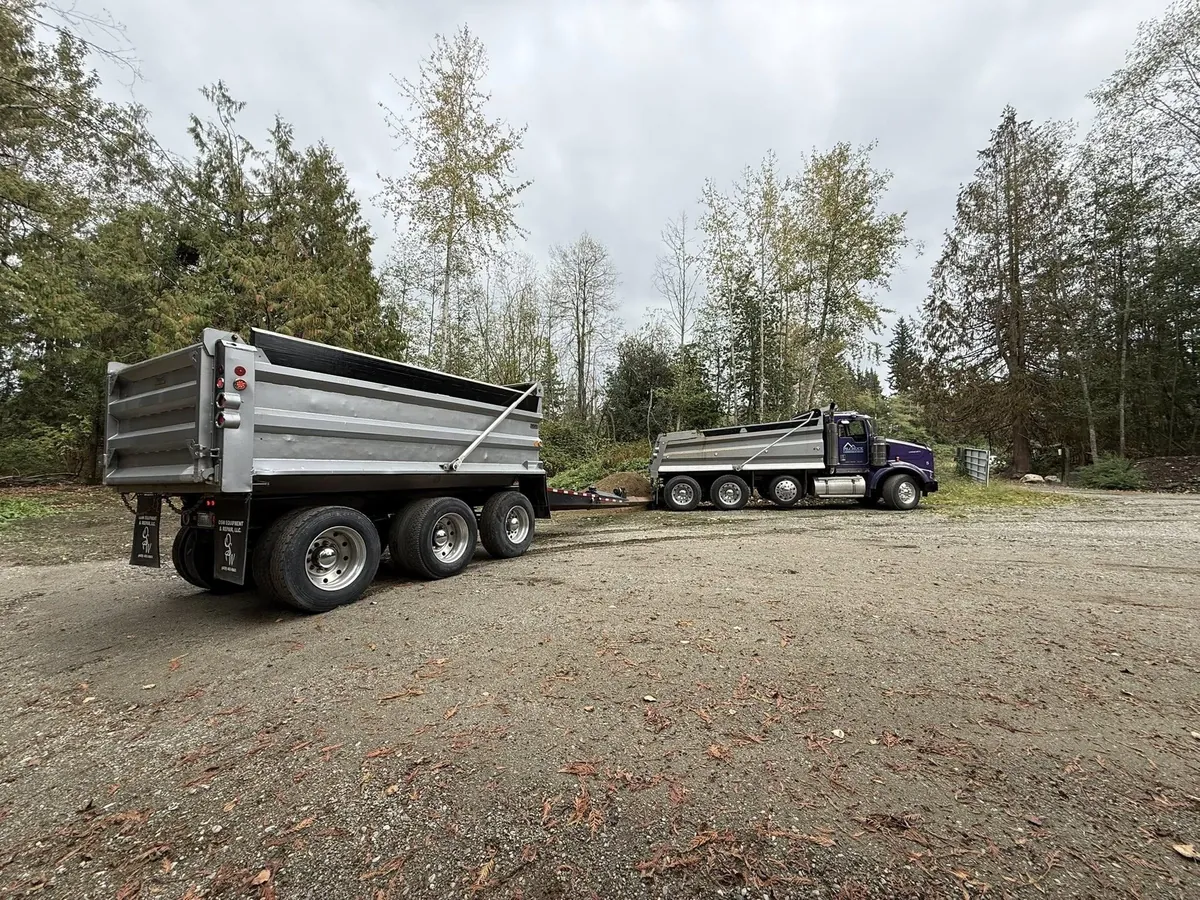
Pilchuck Construction is based in Snohomish, WA and serves commercial, light industrial, agricultural, tenant improvement, steel building, concrete and site work clients across the region. Our service area includes Snohomish County, North King County, Island County, Skagit County, and broader Western Washington.
If you are planning a commercial construction project and want a local, ISN-certified contractor with Western Washington experience, call us at (425) 335-4153 or request an estimate from Pilchuck Construction today.