
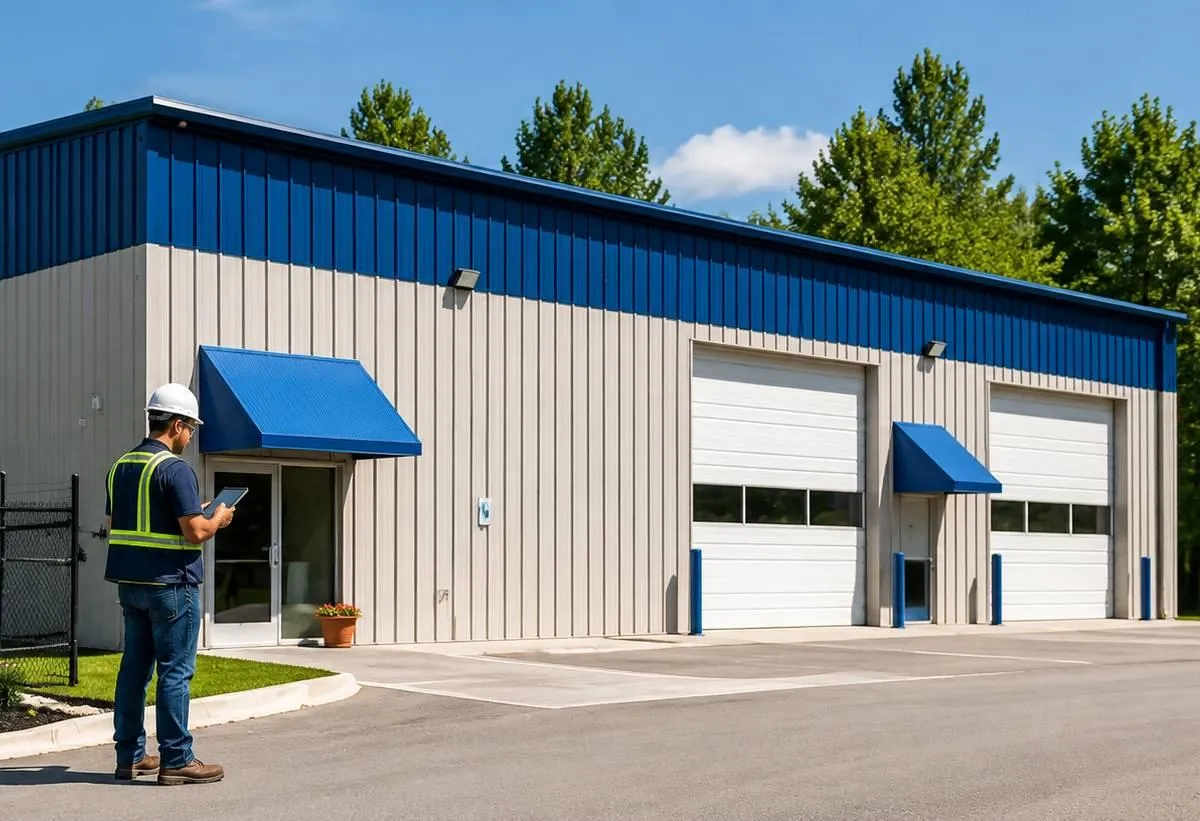
Commercial building problems are easiest to ignore in summer.
The entry still works. The loading area is still usable. The concrete crack hasn't become a major issue yet. The drainage problem only shows up after heavy rain. The exterior panel, flashing or door issue may not seem urgent while the weather is dry and the building is operating normally.
But in Western Washington, winter has a way of exposing weak spots.
Once rain, moisture, shorter days, access issues and active business operations are involved, a manageable repair can become more expensive, more disruptive and harder to schedule.
That's why summer is often the better time for commercial property owners and facility managers to look at exterior repairs, concrete issues, drainage concerns, loading areas, entry improvements, and tenant-related updates before winter forces the issue.
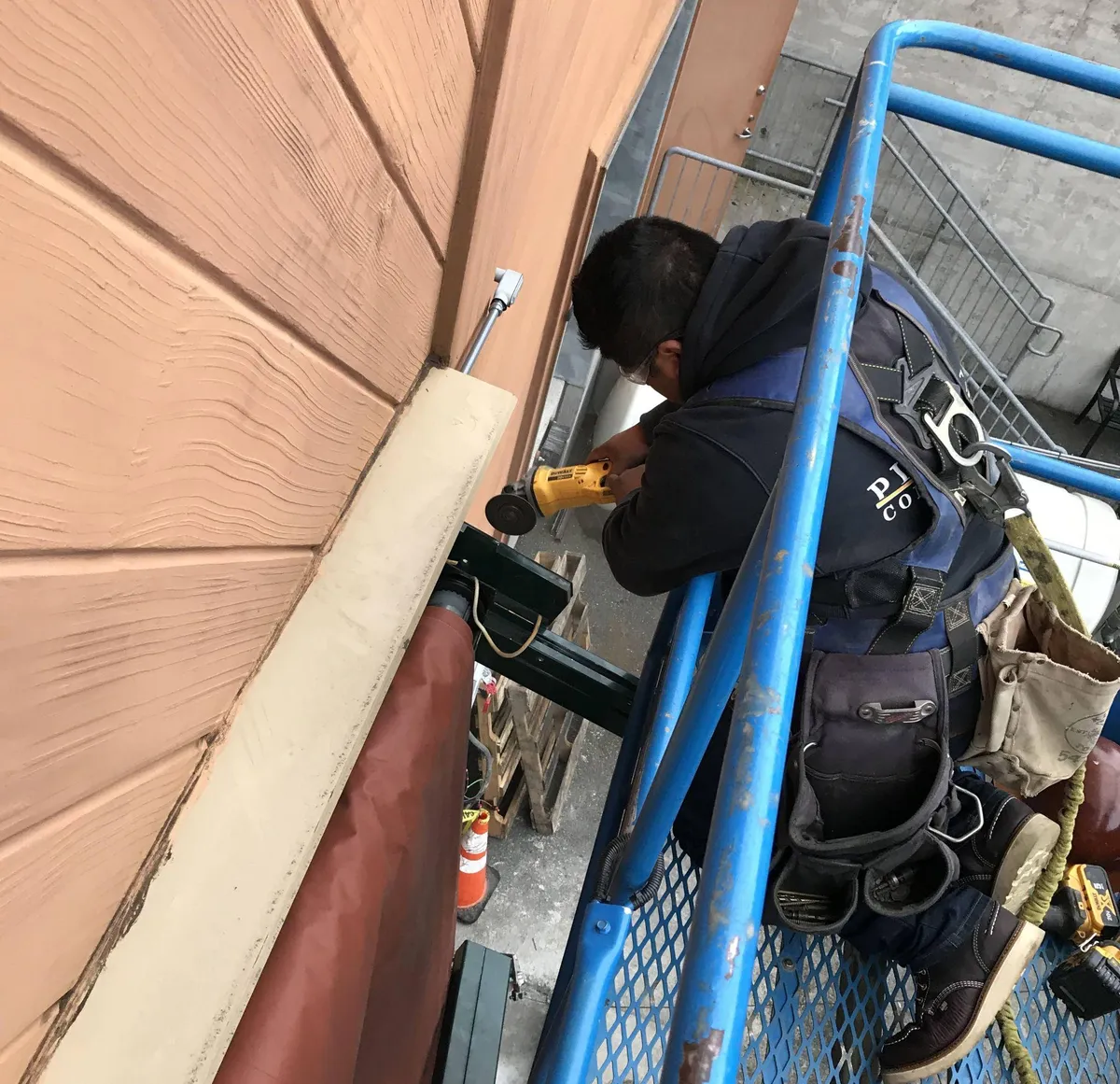
Start With the Areas That Affect Daily Operations
Not every repair has the same urgency.
For commercial properties, the areas that matter most are usually the ones people, vehicles, equipment and deliveries rely on every day. If those areas fail, the problem can quickly move from a building issue to an operations issue.
Start with the parts of the property that affect access, safety and normal use. That may include:
- Exterior doors and entry areas
- Loading docks and delivery zones
- Concrete walkways, pads and approaches
- Parking or access areas
- Stairs, ramps, and railings
- Canopies, awnings and covered entries
- Exterior panels, trim, siding and flashing
- Drainage paths around the building
- Areas where water collects after rain
- Openings where moisture may be getting in
These are the areas that can disrupt a business when they're ignored too long. A small issue may be manageable in summer. In winter, the same problem can be harder to access, harder to protect and more expensive to work around.
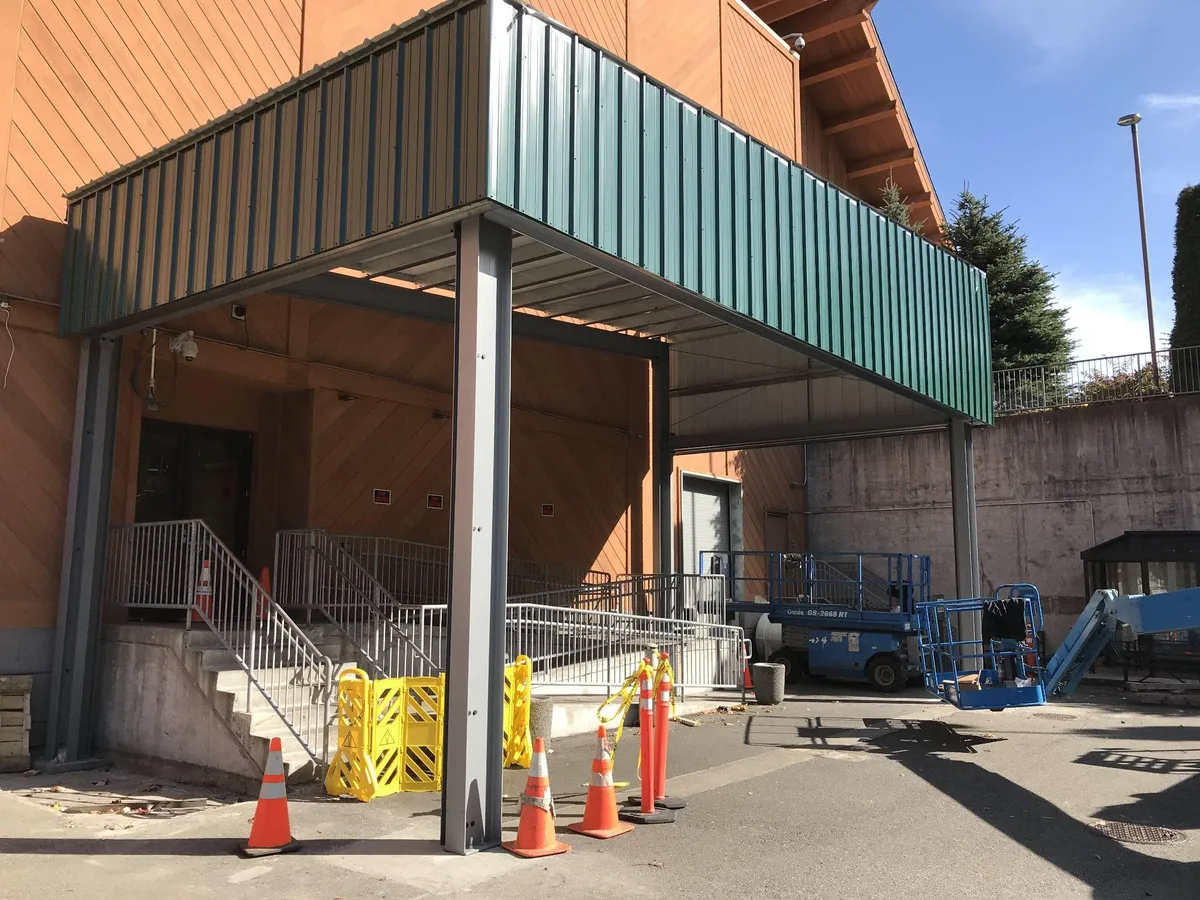
Look at Concrete, Entries, Loading Areas and Drainage
Commercial buildings take a lot of wear in the same places.
Concrete cracks. Entries get worn down. Loading areas take impact from vehicles, equipment, pallets and daily deliveries. Drainage issues show up around low spots, downspouts, pavement edges, and areas where water runs back toward the building.
Those problems don't always need a major construction project, but they do need to be looked at before they create bigger issues.
Concrete problems can affect foot traffic, vehicle access, equipment movement, and customer or employee safety. Entry problems can affect how people use the building every day. Loading area damage can slow down deliveries or create problems for trucks and forklifts. Drainage issues can lead to water intrusion, erosion, soft ground, or damage around the building.
Summer gives property owners a better chance to review these areas while conditions are dry and easier to work with.
It also gives the contractor a better opportunity to see the full picture. Sometimes the visible issue is only part of the problem. A cracked slab may point to drainage concerns. A worn entry may need better protection. A loading area may need concrete, grading or access improvements.
The earlier those details are reviewed, the easier it is to plan the right scope.
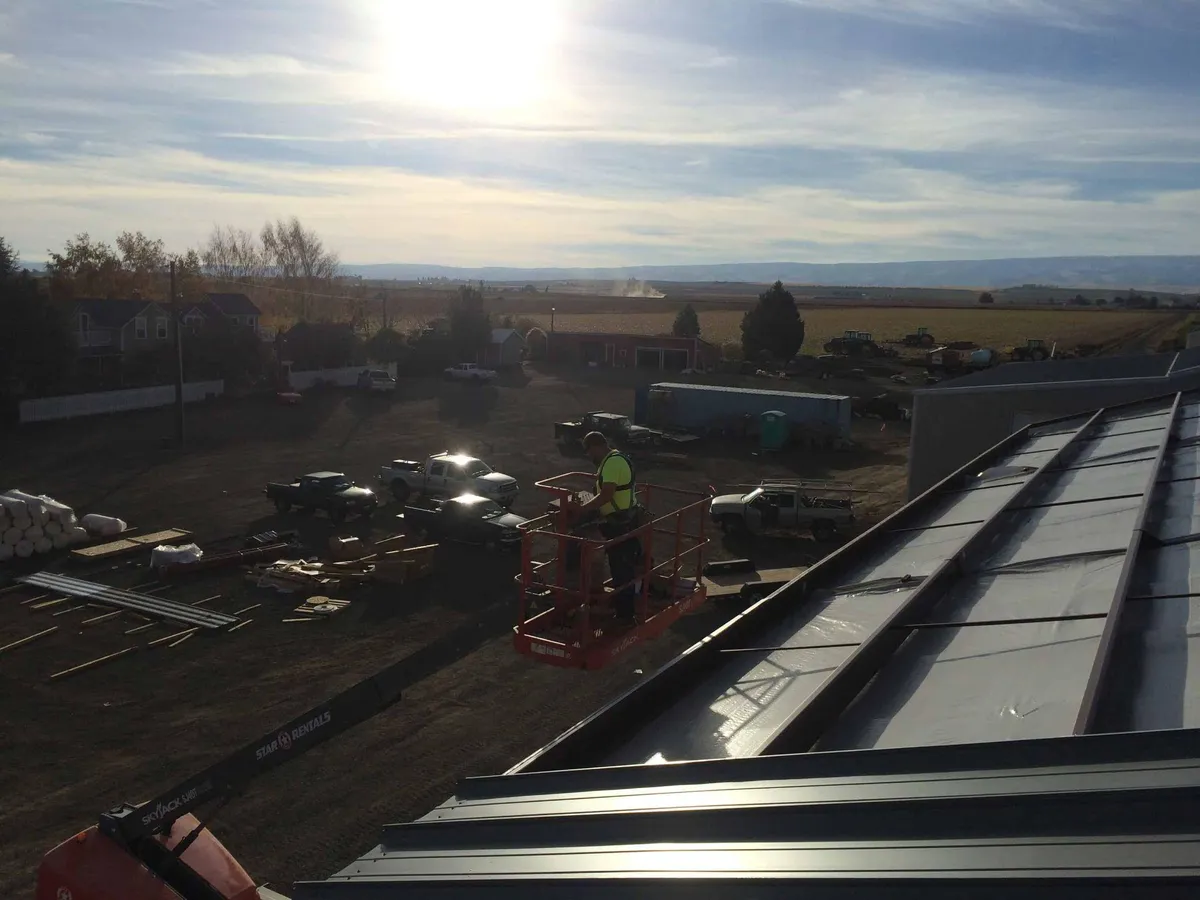
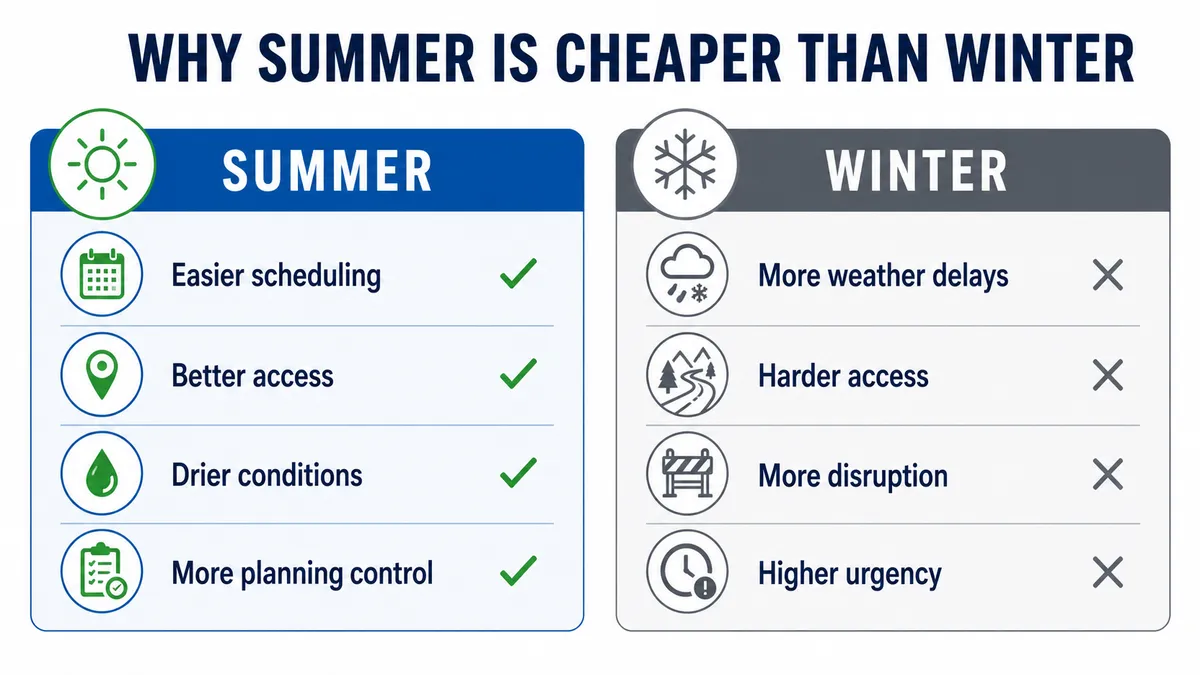
Why Summer Gives You More Control Over the Schedule
Winter work can be done, but it often comes with more variables.
Rain can slow exterior work. Wet ground can make access harder. Shorter days can limit production. Materials may need more protection. Openings, entries and active areas may require extra planning to keep the building usable while work is happening.
That's where summer can make a real difference.
When the weather is more predictable, commercial owners have more control over timing, staging and disruption. Crews can often work more efficiently. Concrete, exterior repairs, tenant improvements and site work are easier to schedule. Access points are easier to protect. Business operations are easier to plan around.
That matters because commercial repairs don't happen in a vacuum.
A project may affect employees, tenants, customers, deliveries, parking, equipment movement, or production schedules. When work is planned ahead, there's more room to coordinate around those needs.
Emergency repairs are different.
If water is getting into the building, an entry becomes unsafe, or a loading area can't function properly, the goal shifts from planning the best solution to stopping the problem quickly. That can mean temporary protection, rushed scheduling, limited access, more disruption, and a higher total cost.
Summer maintenance helps avoid that kind of reactive work.
When a Repair Becomes an Improvement
Some maintenance projects are simple repairs. Others are a chance to make the building work better.
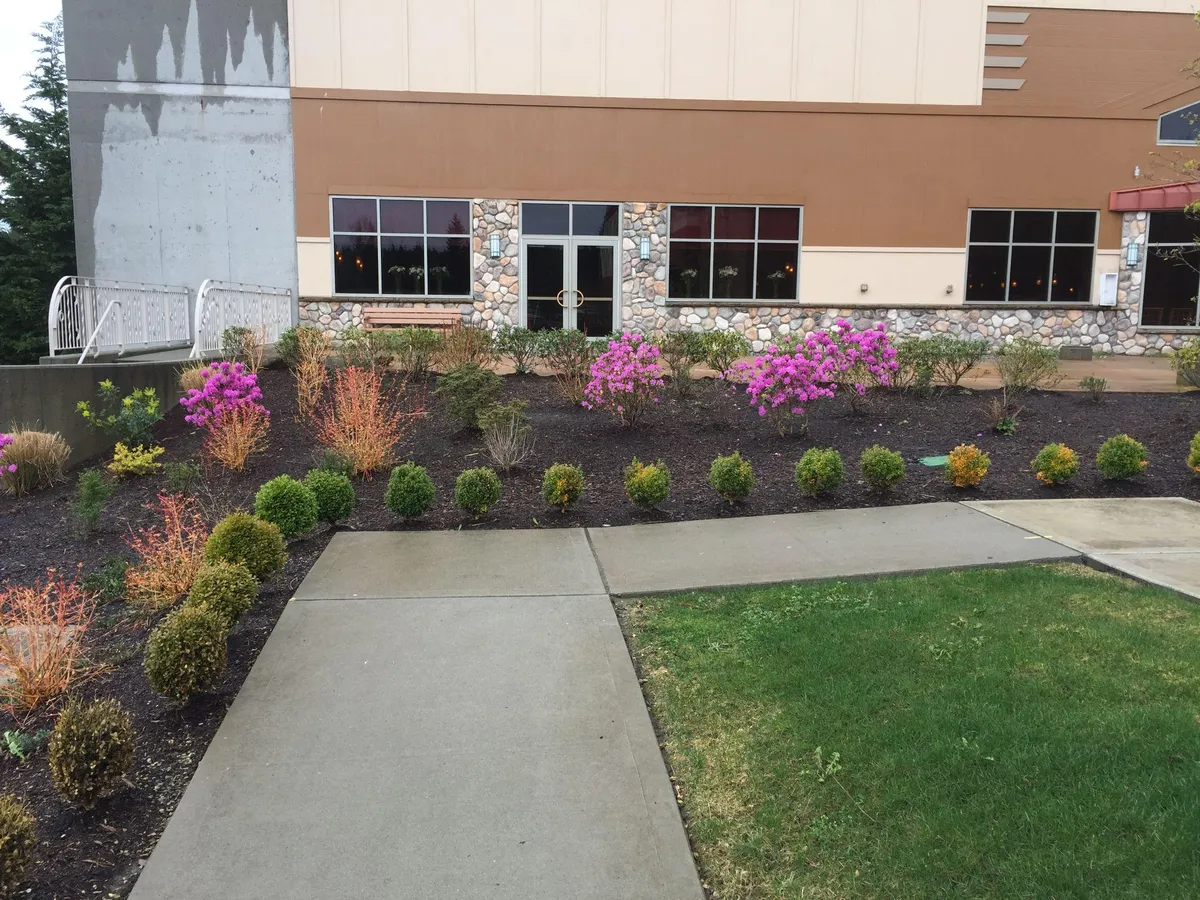
A worn entry may become an entry upgrade. A concrete repair may become a better access solution. A drainage problem may lead to grading or site improvements. Exterior repairs may create an opportunity to update panels, trim, doors, flashing, canopies, or other high-use areas.
That doesn't mean every issue needs to turn into a larger project.
But it does mean commercial owners should look at the building as a whole. If the same area keeps causing problems, repeating the same small repair may not be the best long-term answer.
For example:
- If water keeps collecting near an entry, the issue may be drainage or grading.
- If a loading area keeps breaking down, the concrete or access layout may need to be reconsidered.
- If an exterior opening keeps showing wear, the building may need better protection in that area.
- If a tenant space no longer supports daily operations, a small repair may not solve the real problem.
Summer is a good time to ask if the property needs a repair, an upgrade, or a better plan for how the space is being used.
What to Review Before Calling a Contractor
You don't need a complete construction plan before reaching out. A contractor can help evaluate the issue and define the next step.
But it helps to gather the basics first. Before calling, take a look at:
- What problem you're seeing
- How long it's been happening
- If it gets worse during rain
- If it affects customers, tenants, staff, deliveries or equipment
- What areas need to stay open during the work
- If there are photos of the issue
- If this is a repair, an upgrade, or both
- If there are access limitations around the work area
- If the work needs to happen during specific business hours
This information helps the contractor understand the property, the urgency and the operational needs around the project.
It also helps avoid vague estimates. The clearer the issue is at the beginning, the easier it is to build a realistic scope, schedule, and plan.
Plan the Work Before Winter Makes the Decision for You
Commercial building problems rarely get easier once wet weather arrives.
Water finds weak spots. Access gets harder. Schedules get tighter. Small problems can turn into bigger ones. And once a repair starts affecting daily operations, owners have fewer options and less time to plan.
Summer gives you a better window to address the work before it becomes urgent.
If your commercial property has exterior wear, concrete issues, drainage concerns, entry problems, loading dock damage, tenant-related updates, or repairs that have been pushed aside, now is the time to take a closer look.
Pilchuck Construction helps commercial property owners, business owners, and facility managers plan practical construction, repair, tenant improvement, concrete, and site work projects across Western Washington.
To talk through your next project, give our ISN-certified team a call at (425) 335-4153 or request an estimate here and share a few details about the work you have in mind.